

How Doomscrolling Hijacks Your Brain
The Science Behind Mood, Motivation, and Energy Drops
Let’s be honest—how many times have you found yourself glued to your screen, endlessly scrolling through one grim headline after another? You’re not alone. This compulsive behavior, known as doomscrolling, is something many of us fall into, especially when the world feels chaotic. But while we’re absorbing that doom and gloom, something deeper is happening behind the scenes—in our brains.
This blog dives into how doomscrolling messes with your brain chemicals, zaps your energy, crushes your motivation, and leaves you feeling more drained than informed. Ready to find out why that endless scroll feels so heavy? Let’s get into it.
What is Doomscrolling?
Doomscrolling is the act of obsessively scrolling through bad news—even when it makes you feel worse. It’s that rabbit hole we fall into when we just have to know what else went wrong today.
Why We Can’t Stop Scrolling Bad News
The brain is wired to detect threats. When we see negativity, our brain flags it as something important. So we keep scrolling, subconsciously hoping to find a resolution—but it rarely comes.
The Role of Algorithms in Feeding Our Obsession
Let’s not forget the role of social media platforms and news apps. Their algorithms are designed to keep you engaged—and bad news tends to get more clicks. The more you interact with it, the more it shows up. It’s like being handed a bag of chips laced with stress.
The Brain Chemistry Behind Doomscrolling
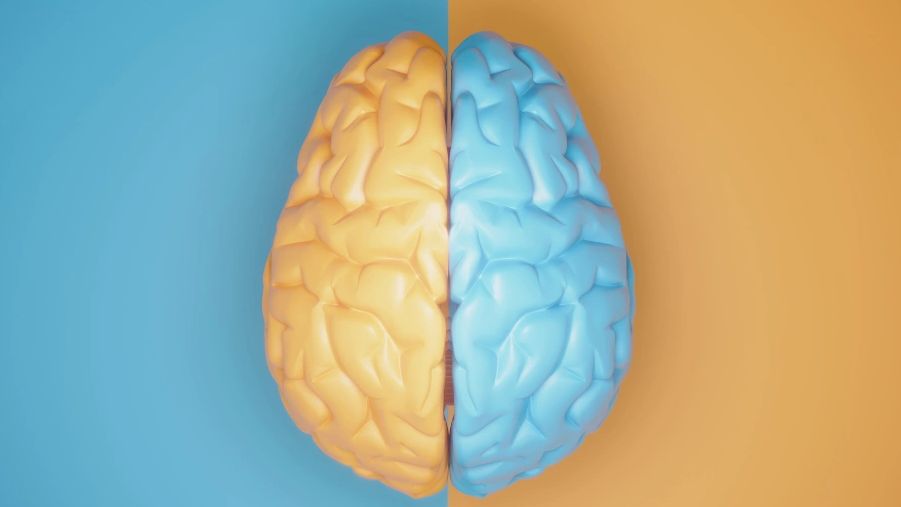
Introduction to Neurotransmitters
Our mood, motivation, and energy are largely governed by neurotransmitters—brain chemicals that act like messengers. When you doomscroll, you’re unintentionally messing with these messengers in a big way.
Dopamine: The Reward Chemical That’s Not Always Rewarding
Ironically, dopamine fuels doomscrolling. Each new article or post is a novelty—triggering dopamine. But instead of joy, this dopamine spike quickly fizzles out, leaving you craving more and feeling less satisfied each time.
Cortisol: The Stress Hormone on Overdrive
Bad news activates your fight-or-flight system. Your brain floods with cortisol, the stress hormone, which is great in small doses—but chronic doomscrolling means you’re basically marinating in it.

Serotonin: How Negativity Starves the Mood-Stabilizer
Serotonin helps stabilize your mood. Constant exposure to negativity can actually lower serotonin levels, leading to sadness, irritability, and even depression.
Norepinephrine: The Alertness Trigger That Burns Us Out
This chemical keeps you alert during danger. Problem is, doomscrolling keeps you in a near-constant state of high alert. Hello, mental exhaustion.
How Doomscrolling Impacts Your Mood
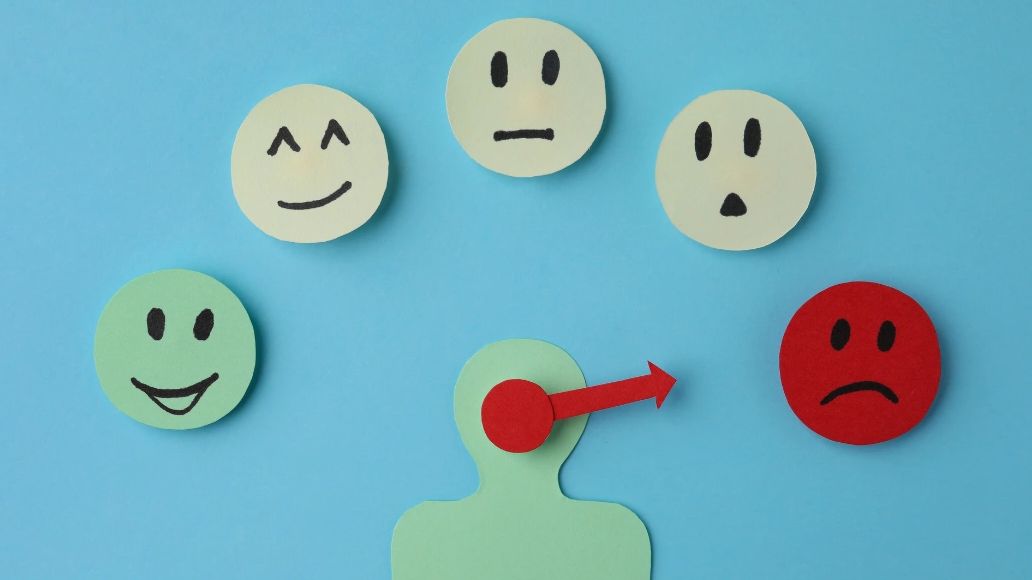
From Sadness to Anxiety: Emotional Whiplash
Ever feel emotionally drained after scrolling? That’s emotional whiplash. One minute it’s war, the next it’s climate disaster, followed by economic collapse. Your brain can’t keep up.
Negativity Bias and the Amplification of Fear
Our brains are hardwired to focus on the bad more than the good. Doomscrolling feeds this bias, amplifying your fear and anxiety.
Real-Life Examples of Mood Drops Post-Scrolling
Maybe you were in a good mood… until 20 minutes on Twitter ruined your day. That’s no coincidence—it’s your mood crashing from digital overload.
Doomscrolling’s Effect on Motivation
Mental Fatigue and Decision Paralysis
Too much doom info overwhelms the brain, causing what psychologists call “cognitive fatigue.” You become too mentally drained to do even simple tasks.
The Link Between Bad News and Learned Helplessness
When you’re exposed to negative news nonstop, you may start to feel like nothing you do matters—classic learned helplessness, a major enemy of motivation.
The Vicious Cycle: Low Motivation = More Scrolling
Feeling unmotivated leads you back to your phone for “just a quick scroll”—and the cycle repeats. Before you know it, another hour is gone.
Cognitive Overload and Burnout
Too much input with no break leads to cognitive overload. It’s like having 100 browser tabs open in your brain.
How Mental Exhaustion Affects Physical Energy
Your brain burns a lot of energy. When it’s mentally tired, your body feels physically tired too—even if you haven’t moved much.
Why It’s Harder to Get Out of Bed After a Night of Scrolling
Ever wake up groggy after a night of late scrolling? That’s because blue light, mental stimulation, and stress hormones tank your sleep quality.
Signs That Doomscrolling Is Draining You
.png/:/cr=t:0%25,l:0%25,w:100%25,h:100%25/rs=w:1280)
Emotional Red Flags
Feeling numb or constantly anxious
Mood swings after screen time
Increased irritability
Physical Symptoms You Might Be Ignoring
Headaches
Fatigue
Eye strain
.png/:/cr=t:0%25,l:0%25,w:100%25,h:100%25/rs=w:1280)
Behavioural Patterns That Signal Burnout
Trouble focusing
Avoiding responsibilities
Constantly reaching for your phone
How to Break Free from the Doomscrolling Trap
Build Awareness: Track Your Habits
Use apps or journals to note how often you’re scrolling and how you feel before/after. Awareness is the first step.
Digital Detox Techniques That Actually Work
Set time limits on apps
Use grayscale mode
Schedule “scroll-free” zones
Replace the Scroll: Healthy Alternatives That Boost Neurochemicals
Go for a walk (hello, endorphins!)
Journal your thoughts
Listen to upbeat music or uplifting podcasts
Rebalancing Your Brain: Healing Neurotransmitters Naturally
The Power of Sleep and Sunlight
Both help reset dopamine and serotonin levels. Open those blinds and resist the urge to scroll in bed!
Food and Movement as Mood Medicine
Omega-3s, leafy greens, and even dark chocolate boost brain health. And yep, even 20 minutes of movement can elevate mood.
Mindfulness, Meditation, and Rewiring the Brain
These practices boost GABA, a calming neurotransmitter. Plus, mindfulness helps you become more aware of your scrolling habits in real-time.
.png/:/cr=t:0%25,l:0%25,w:100%25,h:100%25/rs=w:1280)
Final Thoughts: It’s Not About Quitting the Internet—It’s About Taking Control
Doomscrolling doesn’t make you weak. It makes you human in a digital world that preys on your biology. The good news? With a few mindful shifts, you can break the cycle, reclaim your brain chemistry, and start living with more clarity, motivation, and energy. It’s not about quitting the internet—it’s about learning how to use it without it using you.
FAQs
1. Can doomscrolling lead to depression?
Yes, prolonged exposure to negative content can lower serotonin levels and increase symptoms of depression.
2. How do I stop myself from doomscrolling at night?
Try setting a “scroll curfew,” use night mode, and keep your phone away from the bed. Replace it with reading or meditation.
3. Is doomscrolling a form of addiction?
It shares traits with behavioral addictions—dopamine reward loops, compulsion, and withdrawal symptoms.
4. What’s the fastest way to improve mood after doomscrolling?
Go outside, get some sunlight, or do light exercise. These activities quickly shift brain chemistry and mood.
5. Does reducing screen time actually increase motivation and energy?
Absolutely. Less screen time means better sleep, less mental fatigue, and more focus—key ingredients for motivation and energy.